A new version is available.

We've updated our website. Please click the button to download the new version.

Download now

Colombia's life-changing honey (World 2024, by Luca Zanetti) - Swiss Press Award
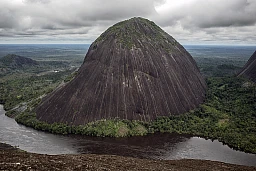
On the banks of the Inírida river, the rocky hills of Mavicure ("mavi": tip of the blowpipe, and "cure" the poison applied to the dart), are composed of Pajarito (712 metres), Mono (480 metres) and Mavicure (170 metres). The three of them are sacred to the indigenous ethic groups of the Kurripaco, Puinave and Tukano that inhabit the area. In the picture we can see the Mono hill.
Photo / World
2024

Colombia's life-changing honey

Luca Zanetti

In Guainía in southern Colombia, one of the most biodiverse places on earth, a chemist, a zootechnician, and a biologist have partnered with the indigenous population to establish a sustainable beekeeping project. The honey produced demonstrates how it's possible to pollinate the world while simultaneously combating the effects of climate change.

Greenpeace Magazin

Photo / World
2024

Luca Zanetti

In Guainía in southern Colombia, one of the most biodiverse places on earth, a chemist, a zootechnician, and a biologist have partnered with the indigenous population to establish a sustainable beekeeping project. The honey produced demonstrates how it's possible to pollinate the world while simultaneously combating the effects of climate change.

Author