Une nouvelle version est disponible.

Nous avons mis à jour notre site web. Clique sur le bouton pour télécharger la nouvelle version.

Télécharger maintenant

Le miel colombien qui change la vie (International 2024, par Luca Zanetti) - Swiss Press Award
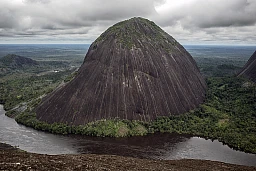
On the banks of the Inírida river, the rocky hills of Mavicure ("mavi": tip of the blowpipe, and "cure" the poison applied to the dart), are composed of Pajarito (712 metres), Mono (480 metres) and Mavicure (170 metres). The three of them are sacred to the indigenous ethic groups of the Kurripaco, Puinave and Tukano that inhabit the area. In the picture we can see the Mono hill.
Photo / International
2024

Le miel colombien qui change la vie

Luca Zanetti

À Guainía, dans le sud de la Colombie, l'un des endroits les plus riches en biodiversité de la planète, un chimiste, un zootechnicien et un biologiste se sont associés à la population indigène pour mettre en place un projet d'apiculture durable. Le miel produit démontre qu'il est possible de polliniser la planète tout en luttant contre les effets du changement climatique.
Greenpeace Magazin

Photo / International
2024

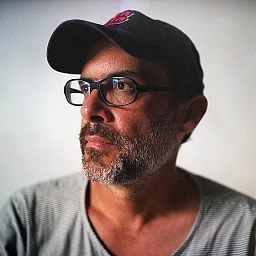
Luca Zanetti

À Guainía, dans le sud de la Colombie, l'un des endroits les plus riches en biodiversité de la planète, un chimiste, un zootechnicien et un biologiste se sont associés à la population indigène pour mettre en place un projet d'apiculture durable. Le miel produit démontre qu'il est possible de polliniser la planète tout en luttant contre les effets du changement climatique.

Auteur