A new version is available.

We've updated our website. Please click the button to download the new version.

Download now

Guang Gun- Bottleneck on the Chinese marriage market (Swiss Stories 2014, by Simon Tanner) - Swiss Press Award
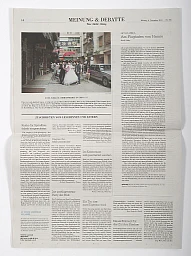
NZZ November 2013 document
Photo / Swiss Stories
2014

Guang Gun- Bottleneck on the Chinese marriage market

Simon Tanner

The People's Republic of China has a demographic problem: The preference for male offspring and the official one-child policy are leading to a gender imbalance. Between 2015 and 2045, China will have an annual surplus of 1 million men. According to official calculations, the male surplus among the population aged between 20 and 49 already reached 20 million in 2015. This development is leading to a shortage in the Chinese marriage market. Marriage has traditionally been of great importance in China – not only for social status, but also for economic security. Men from lower socioeconomic classes are the most disadvantaged, as material status is a determining factor for women in their choice of partner. In addition, the demands and desires of those seeking marriage have changed significantly. An extensive industry has emerged that promotes Western-style marriage. Many weddings of the new middle class are characterized by the coexistence of traditional ceremonies and Western influences. The imbalance in the marriage market not only has negative effects on the individual level, but also harbors social explosiveness. While in the cities, the search for a partner becomes a struggle for survival, the group of involuntarily unmarried men is growing rapidly, especially in the rural provinces. The Chinese media is already linking so-called bachelor villages with the increase in prostitution, sexually transmitted diseases, and crime. At the same time, urban youth across the country are being inundated with dating shows, thus further reinforcing the social ideal and the individual desire for happiness with a partner. Guang Gun is the Chinese term for unmarried men and literally means "naked pole."

Der kleine Bund

Photo / Swiss Stories
2014

Simon Tanner

The People's Republic of China has a demographic problem: The preference for male offspring and the official one-child policy are leading to a gender imbalance. Between 2015 and 2045, China will have an annual surplus of 1 million men. According to official calculations, the male surplus among the population aged between 20 and 49 already reached 20 million in 2015. This development is leading to a shortage in the Chinese marriage market. Marriage has traditionally been of great importance in China – not only for social status, but also for economic security. Men from lower socioeconomic classes are the most disadvantaged, as material status is a determining factor for women in their choice of partner. In addition, the demands and desires of those seeking marriage have changed significantly. An extensive industry has emerged that promotes Western-style marriage. Many weddings of the new middle class are characterized by the coexistence of traditional ceremonies and Western influences. The imbalance in the marriage market not only has negative effects on the individual level, but also harbors social explosiveness. While in the cities, the search for a partner becomes a struggle for survival, the group of involuntarily unmarried men is growing rapidly, especially in the rural provinces. The Chinese media is already linking so-called bachelor villages with the increase in prostitution, sexually transmitted diseases, and crime. At the same time, urban youth across the country are being inundated with dating shows, thus further reinforcing the social ideal and the individual desire for happiness with a partner. Guang Gun is the Chinese term for unmarried men and literally means "naked pole."

Author